5 Best Platforms to Look for Technical Buyers in 2026
Top tools to help you find, reach, and sell to the people who would actually get value from the software you’re selling.



Selling to technical buyers – such as CTOs, R&D group managers, data engineers, or security professionals – requires a different approach to enterprise sales, and often a different toolset. Below we’ve listed the top platforms to help you find, reach, and sell to the people who would actually get value from the software you’re selling.
Key Takeaways
- Technical buyers are different from other B2B audiences. Using ‘standard’ GTM tools might not work.
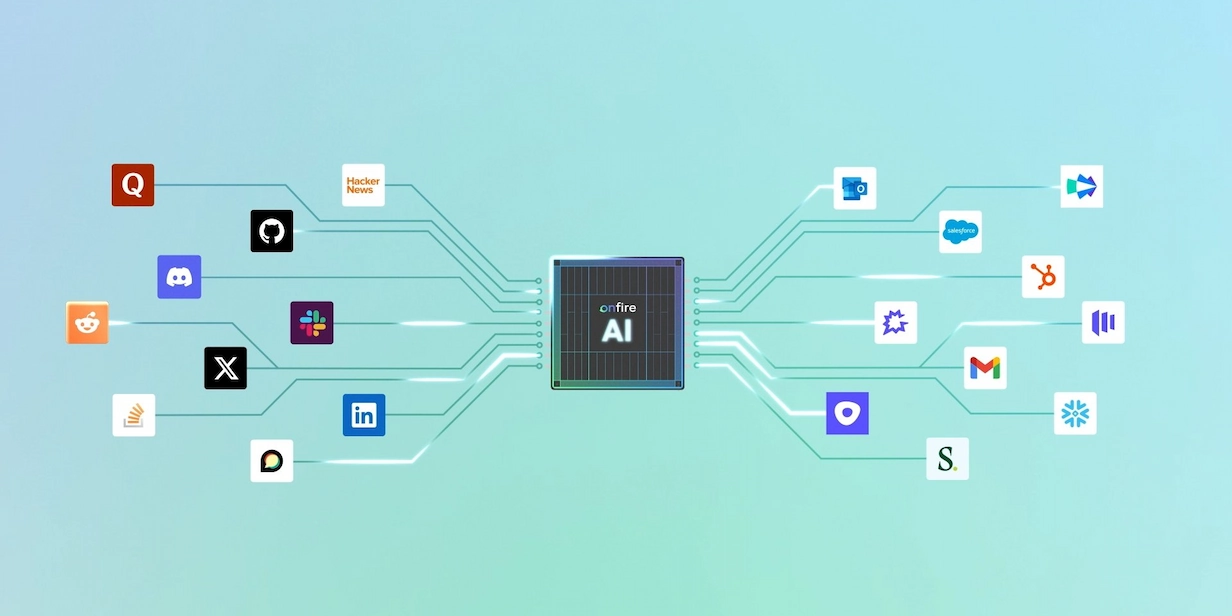
- Onfire is the top platform for finding technical buyers as it is tailored to specific personas, provides prospect-level insights, and scans community sources such as Reddit, Slack, and GitHub.
- More limited options include LinkedIn Sales Nav, B2B data providers and ABM tools, as well as manual activity on relevant communities.
- When evaluating technologies, do not take vendor claims at face value; run head-to-head comparisons and see who can provide the most accurate data.
Top 5 Platforms
- Onfire: Revenue intelligence built specifically for technical buyers, based on bespoke data source and AI.
- LinkedIn sales navigator: General purpose prospecting on the world’s largest professional network, based on the information prospects provided to LinkedIn.
- B2B data providers (e.g. ZoomInfo, Apollo, Seamless): Good for firmographics and broad-strokes list building.
- ABM platforms (6sense, DemandBase): Account-level intent data, but highly reliant on IP databases and not very granular.
- Developer communities: Where technical audiences hang out; reach automatically with Onfire
How to Evaluate GTM Platforms if You’re Selling to Technical Buyers
Technical buyers control purchasing decisions for high-ticket items such as IT infrastructure, security, and developer tools - but they are notoriously difficult to reach through traditional sales channels.
The gap in most sales stacks is not necessarily contact data: sales teams have emails and phone numbers. What they lack is context: who is actively evaluating solutions, what problems they are trying to solve, and why they would take a meeting right now. To do this, you need tools that can provide:
- Accurate technographics: These are often non-negotiable when selling software infrastructure - for example, if a company runs on a public cloud you don’t support, there’s no point initiating outreach. Many tools claim to provide this data, but showing accurate information for back-end technologies is far from simple.
- Granular, prospect-level intent data: Knowing that "Company X is researching security" is rarely enough. In a larger organization, there could be a dozen teams that might be relevant, and additional stakeholders involved in the buying committee. You need to be able to pinpoint the specific group who is investigating a solution right now.
- Tailoring to technical buyer personas: Job titles are not enough to understand which of one hundred “senior software engineer” is the one responsible for container management. Data platforms should help you identify the person with the problem, and who has sufficient organizational sway to become your champion in a sales process.
Best Platforms to Look for Technical Buyers
1. Onfire
Onfire is an AI-powered Revenue Intelligence platform that was built from the ground up to support GTM teams in technical verticals: software and data infrastructure, security, developer tools, and similar.
Key advantages:
- Onfire tracks specific data sources that other tools ignore - including semi-anonymous activity on channels like Discord, Reddit and Slack communities. This enables Onfire to provide more accurate insights into technographics and prospect-level intelligence.
- Onfire combines first-party data found in your CRM, so that you can also use signals such as sales conversations and free trial signups to further narrow down your list of potential prospects.
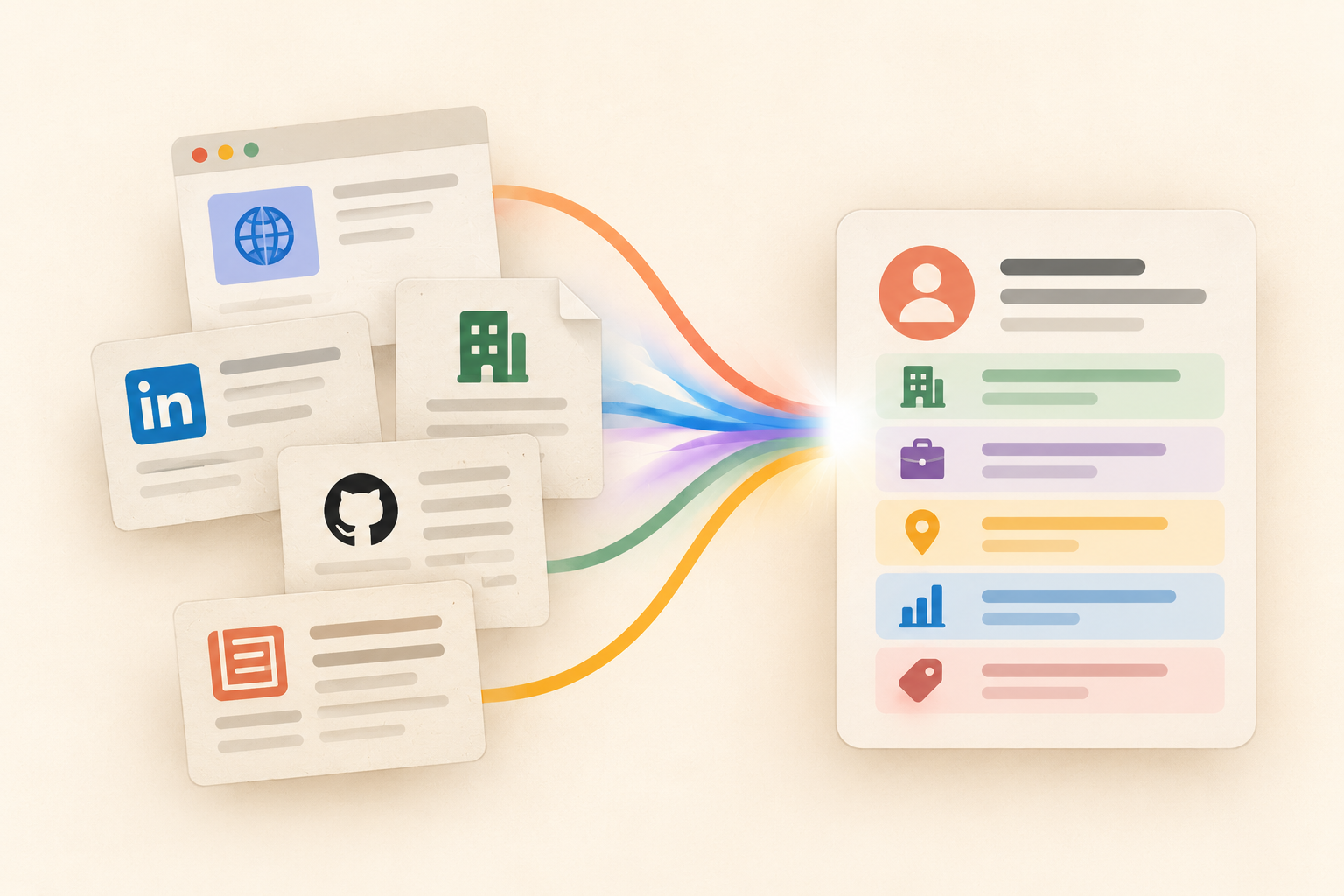
- Data is tailored based on technical buying personas that are customized based on each customer’s technology and go-to-market motions. In doing so, Onfire highlights the exact person to talk to along with associated groups or influencers in the organization - rather than a generic list of engineers.
- Onfire uses agentic AI to make data easy to use for any sales rep or leader. Using simple prompts, reps can automate activities like account research, personalization, and list building. Data can then be fed directly into the CRM, so sales can immediately start reaching out to the right person.
- Unlike legacy intent or ABM platforms, Onfire is implemented in days and requires no special expertise or consultants.
Learn more about the Onfire Platform and the Onfire Agent
2. LinkedIn Sales Navigator
Sales Nav isn’t built specifically for technical buyers, but it is still the go-to for many prospecting efforts. You can use 50+ search filters for identifying decision-makers by title, function, and seniority (although this is limited to information they have shared with LinkedIn). With some manual sifting, this would allow you to narrow down your search, although you would still be casting a very wide net.
Key features for finding tech buyers:
- Posted Content Keywords filter surfaces prospects based on recent discussions
- Real-time alerts for job changes and company news
- Lead recommendations based on past conversion patterns
Best for: Broad professional networking and identifying decision-makers by role. Does not provide visibility into activity outside of LinkedIn or developer-specific communities like GitHub, Discord, or Stack Overflow.
3. B2B data providers
B2B data providers maintain large databases of contact information and company details. They give sales teams direct access to emails, phone numbers, and org charts, making them a staple in most outbound sales stacks.
For technical buyer prospecting, these platforms can be a reasonable starting point, but will rarely provide sales-ready prospects. This is due to these tools relying on static databases that capture a snapshot of contact information but miss real-time buying signals and can rarely provide prospect-level information. Data accuracy also remains a persistent challenge, especially for back-end technographics.
Notable vendors:
- Seamless.AI offers real-time contact verification with a Chrome extension for LinkedIn prospecting. Best for teams prioritizing phone-verified data for high-volume outbound.
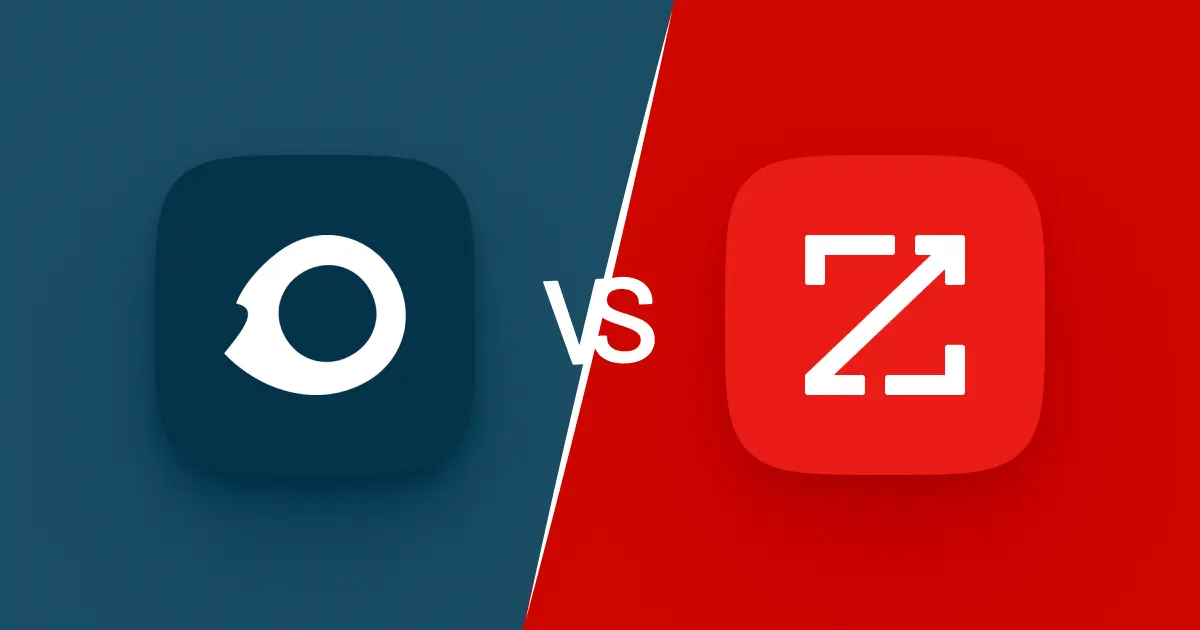
- ZoomInfo offers the largest contact database (70M+ direct dials, 174M verified emails) with strong technographic filtering. (See the full comparison between ZoomInfo and Onfire)
- Apollo.io combines 210M contacts with built-in email sequencing at $49/user/month. Best for SMB teams wanting an all-in-one prospecting platform.
4. ABM platforms
Account-based marketing platforms use behavioral data and intent signals to identify which companies are researching solutions in your category. They help marketing and sales teams coordinate outreach to high-value accounts showing buying behavior.
The limitation for technical buyer prospecting is that ABM platforms operate at the account level, not the prospect level. These platforms also require substantial setup and ongoing optimization, typically needing a dedicated RevOps team to operationalize effectively. They also suffer from the same issues with data accuracy as “regular” data providers (and often rely on the same sources).
Notable vendors:
- 6sense claims to capture 1 trillion signals daily across 40+ languages. Best for enterprise ABM teams with RevOps resources to act on account-level buyer intent signals; less reliable for more granular, prospect-level targeting. (See the Onfire-6sense comparison)
- Demandbase combines firmographic, technographic, and behavioral data with a native DSP for account-based advertising. Best for enterprise marketing teams running full-funnel ABM with advertising budgets; less suitable for sales or SDR teams who need a self-service solution.
5. Developer Communities
Developer communities are not a "platform" in the traditional sales tool sense, but they deserve mention because they represent where technical buyers actually spend their time and make decisions.
GitHub hosts 40M+ engineers collaborating on code. Stack Overflow draws 100M+ monthly visitors seeking technical answers. Reddit's programming and DevOps subreddits generate thousands of tool evaluation discussions monthly. Discord and Slack communities have become the default gathering places for developers working with specific technologies.
These communities are where developers ask peers for recommendations, share frustrations with current tools, and validate purchasing decisions. The buying signals are there, but accessing them at scale presents challenges. Manual monitoring does not work when relevant conversations happen across thousands of channels. There are other challenges: for example, de-anonymizing a Reddit username to find the actual person and company is far from trivial.
If you want to capture community signals systematically across 25,000+ developer communities, that is precisely what Onfire was built to do.
How to Choose the Right Platform for Your Product
Selecting the right platform depends on your specific sales motion and where your current data gaps exist.
1. Define your technical buyer persona. As mentioned above, this is not a job title; it is the specific type of engineer, manager, or other technical leader who is tasked with solving the problems that your software solves (for example, “manager responsible for DevEx” or “engineer maintaining the CI/CD pipeline”).
2. Assess your current data gaps. If you have contact data but lack timing signals, account-level intent tools add value. If you have account-level intent but cannot identify the right person, you need prospect-level buyer identification.
3. Consider your sales motion. High-volume outbound requires scale and automation. Strategic account-based selling requires depth of context for personalized outreach.
4. Evaluate integration requirements. The best data is useless if it does not surface where your team works. Prioritize platforms with native Salesforce or HubSpot integration.
5. Test with your actual ICP. Most platforms offer trials. Run a head-to-head comparison on your target accounts before committing.
For teams selling to technical buyers in 2026, the combination of community signals, prospect-level context, and CRM integration is the differentiator. Generic intent data will not cut through the noise as AI-generated outreach floods every inbox.
Take Onfire for a test drive →
FAQ
What makes technical buyers different from traditional B2B buyers?
Technical buyers conduct extensive self-directed research before engaging vendors. They validate through peer communities, documentation, and code samples rather than marketing content. They will often be averse to sharing information on public channels such as LinkedIn, and might use various tools to block ads and online tracking.
Are developer communities effective for selling enterprise products?
Yes. Developers are key influencers in enterprise purchasing decisions. Companies that target both developers (as users) and executives (as economic buyers) typically see larger average contract values. The challenge is making community engagement scalable and measurable, which requires specialized tooling.
Which platforms show the highest buying intent from developers?
Onfire monitors technical community discussions (Slack, Discord, Reddit), GitHub activity, and technical event attendance surface the strongest signals. These signals are translated into prospect-level insights based on specific personas within the organization, which give BDRs and AEs lists of specific individuals to reach out to, rather than dozens of engineers who might be relevant one day.
Can paid promotion work inside technical communities?
Yes, with caveats. Educational content generates higher engagement than promotional materials. Google Ads work for high-intent searches when linking to documentation or GitHub repos. Overt sales pitches backfire in developer communities and can damage brand reputation long-term.
How long does it take to see results from developer-focused platforms?
B2B sales cycles run 3-6 months for mid-market and 9-18 months for enterprise. Signal-based platforms compress these timelines by enabling outreach at the right moment. For example, Port achieved 20% pipeline growth quarter-over-quarter using Onfire.
.webp)










%20(1).webp)













































.webp)