The BDR’s Playbook to Quota-Crushing Tech Conferences



Intro: the secret to event success (it’s not a bigger booth)
Tech conferences can be an opportunity to fill your pipeline for a full year - but they can also be a significant waste of time. There is nothing worse than spending your week chasing down giveaway-seekers and tire kickers on the event floor.
The companies that succeed at tech events are the ones that treat in-person meetings as part of a larger effort to find, engage, and create relationships with technical buyers. That relationship needs to start before the event and continue afterwards.
You do not need a 20x20 booth, expensive swag, or large experiential activations in order to book meetings. But you do need to arrive with a clear idea of who you want to meet - and ideally, a calendar full of meetings that are already locked in. Identifying and engaging the individuals who are in-market for your solution before you even go to the event will have a much bigger impact than whatever you are doing at the booth.
This guide covers the seven best practices used by the Onfire BDR team before, during, and after a conference. They’ve helped us close new business and book dozens of meetings at events, even at "zero booth" events. We hope you will them equally useful.
Before you start: know your timelines
Before we get into the actual plays, a word of warning: you have to start working on your meetings before the event.
Large tech conferences are extremely noisy, with sprawling venues, concurrent talks, and thousands of attendees. Trying to identify the right person on the main floor, qualify them on the spot, and keep them engaged long enough to remember what you are selling is nearly impossible. Instead, you want to:
- Identify the attendees you want to talk to in advance
- Start outreach weeks before the event date
- Arrive at the event with meetings already booked
This is what your 3-4 week timeline should look like:
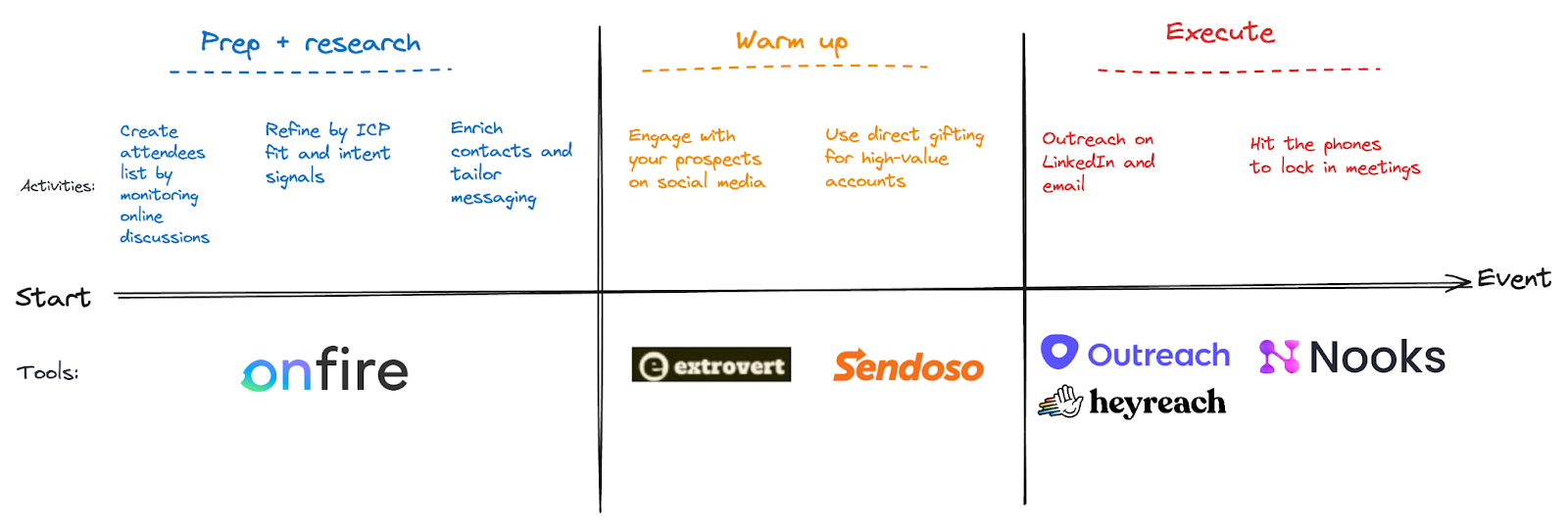
1. Find real attendees by tapping into industry discussions
The people attending tech events are most often technical professionals who are there to learn about cloud infrastructure, data, or security solutions. To determine who will attend and what they are looking for, you need to tap into the channels where technical conversations are happening.
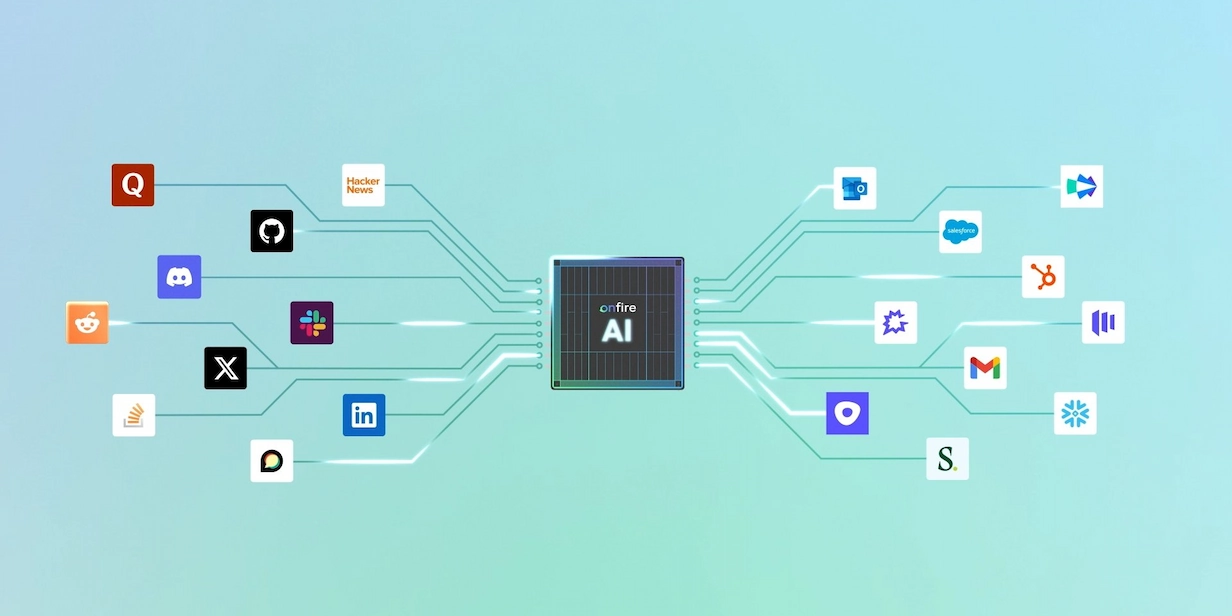
This typically isn’t your LinkedIn newsfeed - it is Slack communities, Reddit threads, Discord servers, GitHub discussions, and technical forums. By monitoring these conversations, you gain insight into who plans to attend, what problems they are trying to solve, and whether they are actively evaluating solutions.
This can be done manually, but you'll get far more coverage by automating your research. Onfire monitors 50 million engineers, 5 million daily events, and over 100,000 data sources across developer communities to surface buying intent in real time.
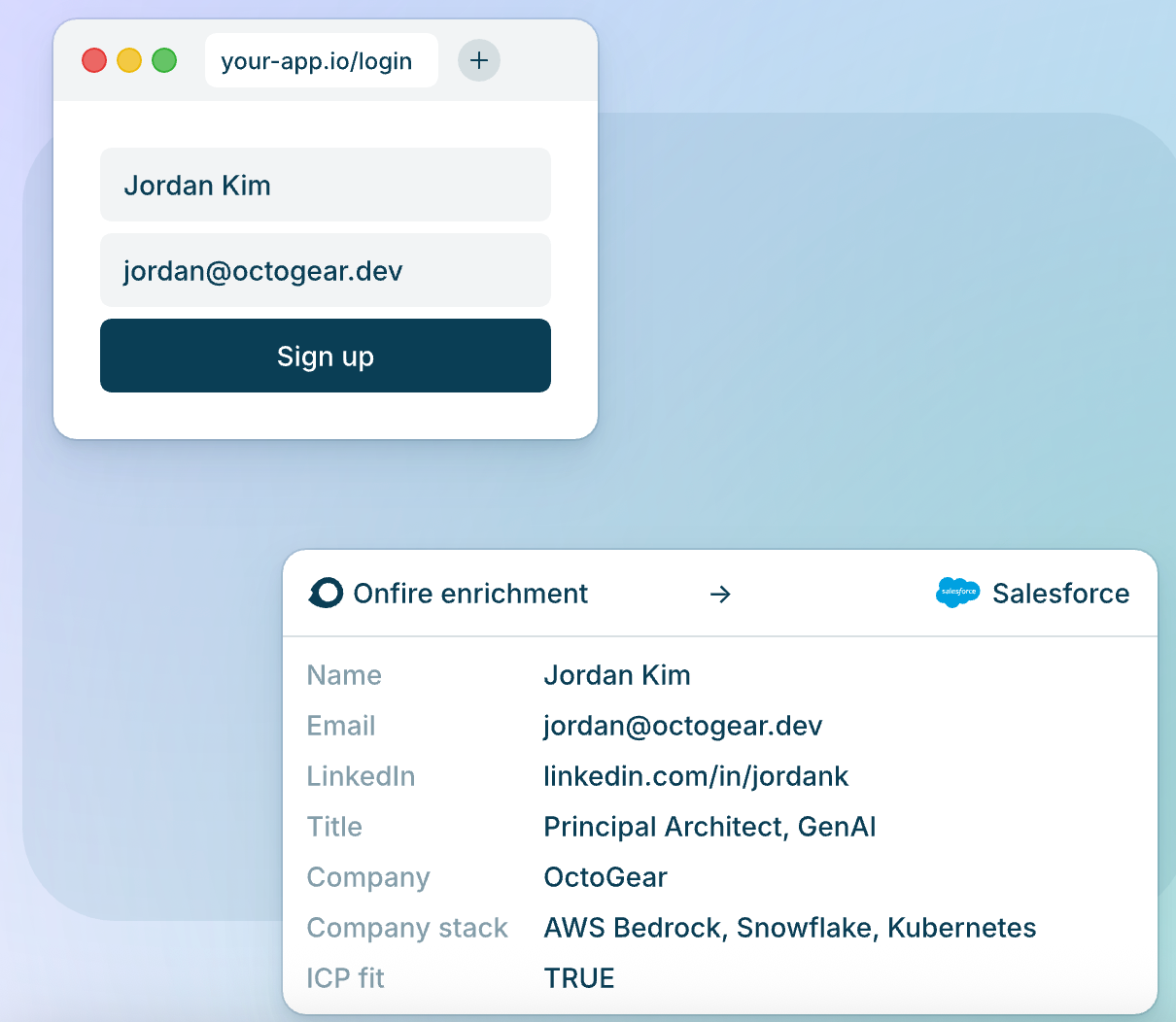
Using the Chrome extension, you can identify attendees and push prioritized accounts directly into LinkedIn Sales Navigator or your CRM - giving you a list of relevant technical prospects who will actually be there, along with initial intelligence that helps start a conversation.
2. Prioritize your lists based on ICP fit and intent signals
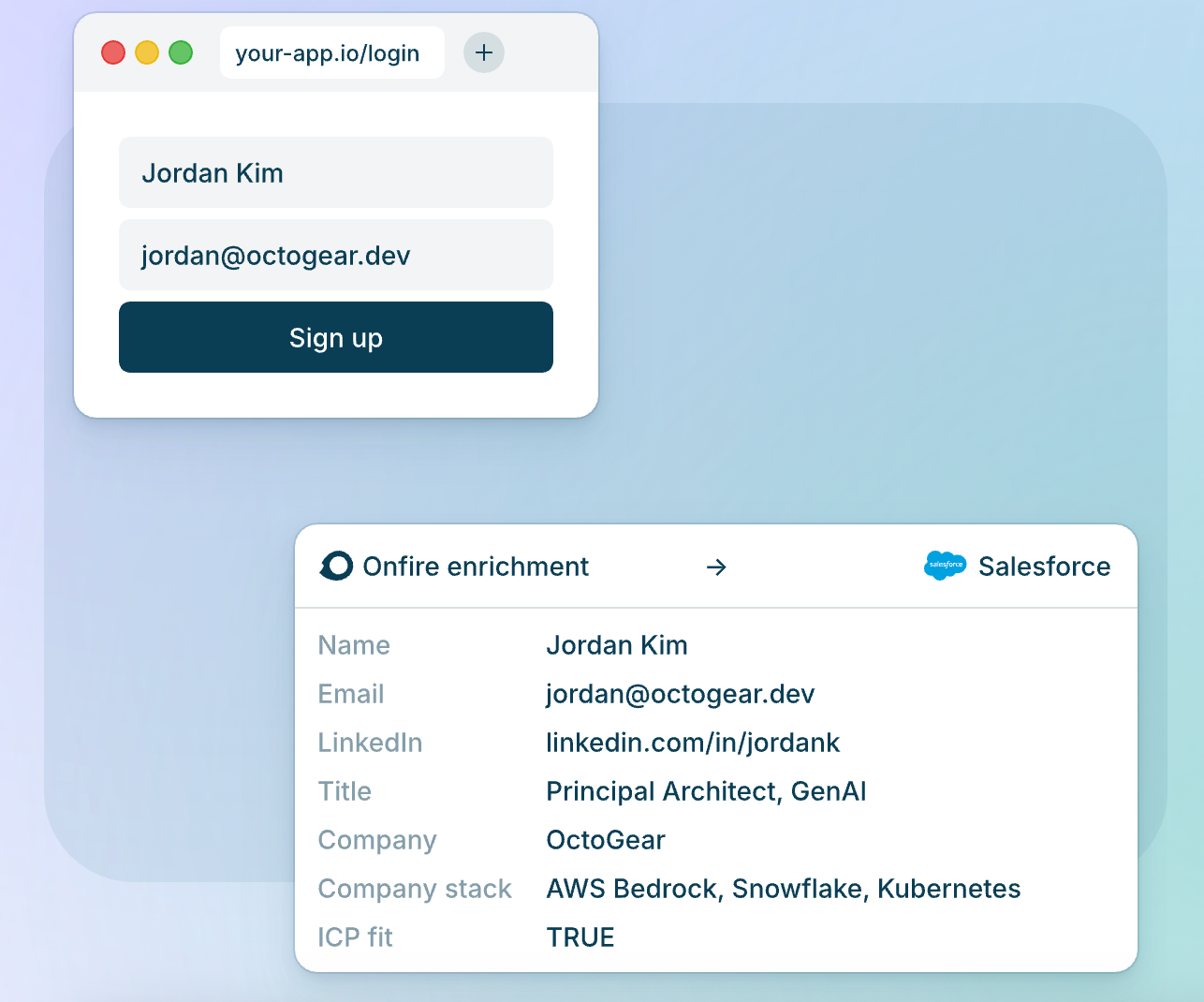
Now that you have a list of prospects actively discussing event attendance, narrow it down to accounts that match your ICP. Your event only lasts a few days, so you will want to be ruthlessly selective. Focus on accounts where you have the highest chance of advancing a deal - whether based on stack compatibility, company stage, or recent buying signals.
Onfire's revenue intelligence features allow you to filter by the criteria that matter for technical buyers: technology stack, team size, engineering organization structure, and more. You can further prioritize by intent signals at the account or prospect level: Have they been asking about solutions in your space? Are they adopting related open source tools?
3. Build soft familiarity through online engagement
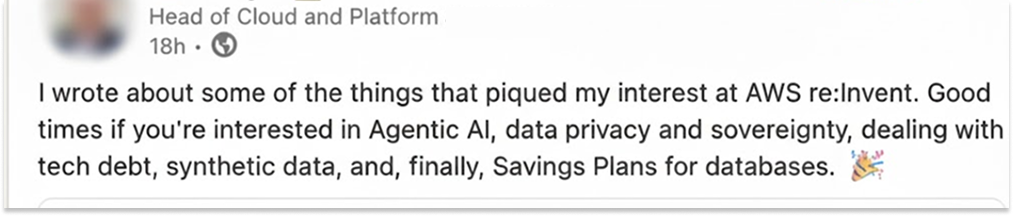
You have selected accounts that match your ICP, so you want your outreach to land effectively. Start by warming your list with comments on their social media posts about the event - Onfire can help you find these discussions. You can then comment manually or use a tool like Extrovert.
This engagement ensures that your prospects will see your name before you reach out - leading to more meaningful in-person conversations.
4. Use direct gifting for high-value prospects
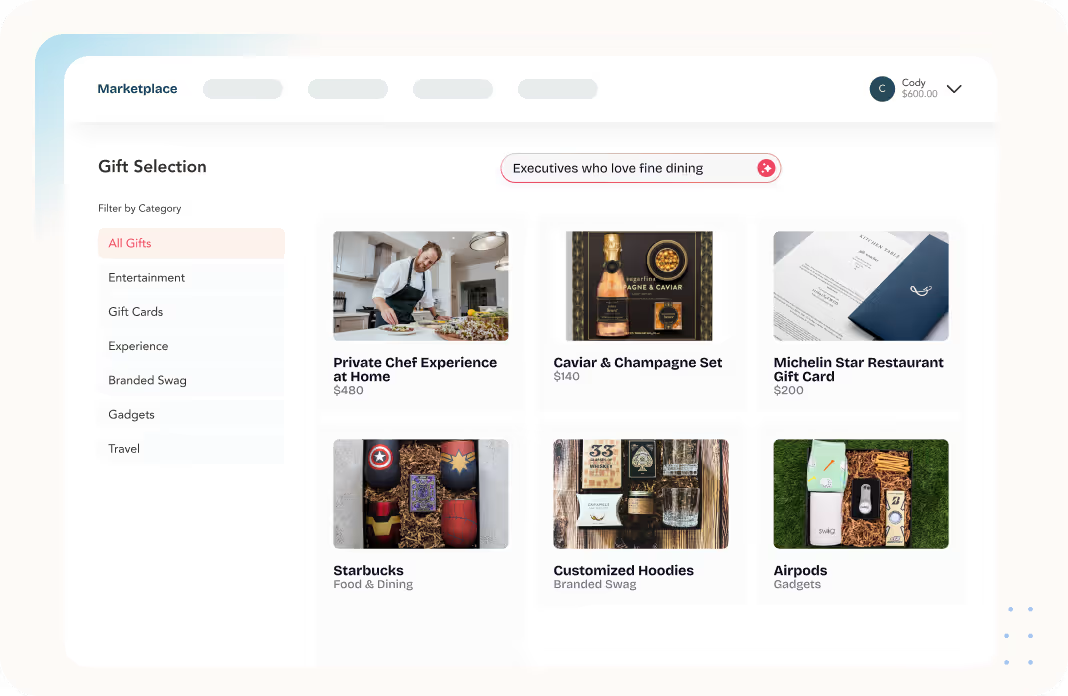
For your highest-priority prospects - those with the largest deal potential or strategic value - consider sending a personalized gift or direct mail piece using a tool like Sendoso. Stepping outside digital channels creates a memorable experience that stands out from the hundreds of LinkedIn messages your prospects receive.
This approach also triggers reciprocity: when someone receives a thoughtful gift, they are more likely to feel a sense of obligation to give you their time. Be selective about who receives this treatment; reserve it for accounts and prospects worth the investment.
5. Personalize LinkedIn flows + emails
Now it is time to reach out to prospects directly. You can use the information discovered from developer communities to craft highly personalized messages that relate to the prospect's current challenges - or ask the Onfire Agent to do it for you.
In some cases, you may want to do this on a prospect-by-prospect basis. You can also use your data to create automated, personalized sequences using tools like Outreach (email) or HeyReach (LinkedIn).
A few examples we’ve had success with:
1. LinkedIn connection request referencing a specific GitHub contribution:
"Hey [Name] - saw you're heading to [event] and noticed your recent work on [specific GitHub project]. Would love to connect and potentially grab coffee on Day 2 if you're around."
2. Follow-up message mentioning a tool they are evaluating (discovered via Onfire):
"Thanks for connecting! I saw you've been evaluating [tool they mentioned in Slack/Discord]. We work with teams making similar decisions - any chance you have 20 min on Tuesday morning at [event] to chat?"
3. Email subject line:
"Quick chat at [event]? (saw your interest in [specific session/topic])"
6. Reach out on the phone
Sometimes even the most relevant messages do not receive responses via email or LinkedIn. When that happens, it is time to pick up the phone.
While your prospect likely receives hundreds of emails each week, they are unlikely to receive more than a few phone calls. There is an immediacy to calling that cannot be replicated, along with the undeniable effectiveness of the human voice for conveying enthusiasm and authenticity.
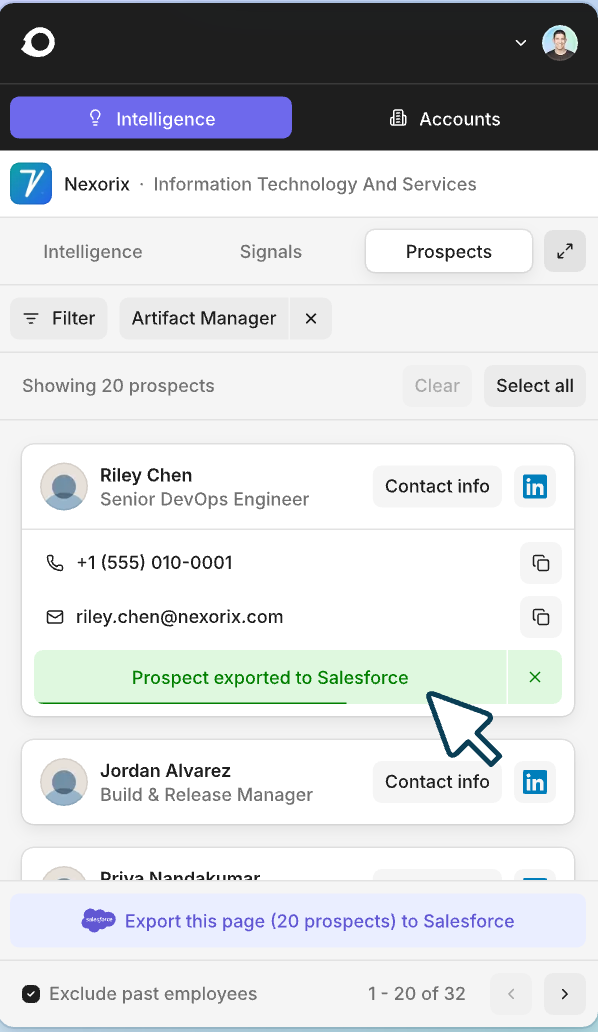
Use Onfire to reveal contact details of the prospects you want to reach out to. Then, use Nooks or a similar tool, call the prospects you have not yet reached and see if a live conversation will generate interest. If it does not, you have at least evaluated a prospect in real time instead of waiting days for an email response.
7. Day-of execution
A day or two before your meeting, send a brief text with your cell number to confirm the meeting location. Event venues can be large, so be specific about where to meet.
In your conversations, reference your preparation. An opening like "I saw you mentioned struggling with [specific problem] in the [community name] Slack - is that still a challenge?" will establish credibility and get the conversation started productively.
Note that some prospects will cancel at the last minute. Maintain a backup list of 5–10 prospects you were unable to schedule. Reach out immediately to let them know you have had a meeting open up and may be able to accommodate them.
Onfire: your event growth strategy
Following the steps above should give you a solid foundation for success at your next B2B tech conference. The key is not to send your BDRs into the event unprepared and hope for the best, but to build systems that allow them to arrive with a clear game plan and warmed-up prospects already lined up.
Onfire gives you the tools to do this at scale with data that is actually relevant for technical buying journeys. By monitoring 25,000 online communities where developers ask for advice, share their challenges, and get tips from fellow professionals, Onfire surfaces signals that no other platform offers. It is not magic - after all, you could search Slack and Reddit yourself to find prospects - but it works at a scale that manual methods cannot reach.
Visit onfire.ai to learn more, or get in touch today to discover how Onfire can completely change your approach to events and drive repeatable, measurable ROI from every conference.
.webp)







%20(1).webp)







































.webp)