Sales Prospecting for Technical Buyers: What Works in SaaS Today
Sales prospecting still works in technical verticals. We share strategies that we’ve seen work.


Dropbox and Slack proved that PLG can work, but that doesn't mean it always does. Unless you've got an absolutely essential product with a USP so obvious that it sells itself, you won't grow without prospecting. In enterprise sales especially, you need to find inroads to buying committees and can't wait on developers to champion your products - and that means developing a viable outbound motion.
But prospecting technical buyers is hard. In this article, we share sales prospecting strategies that we've found work as sellers of AI tooling.
Key Takeaways
- You need more than job titles to build your prospecting list. In technical sales, "Software Engineer" tells you almost nothing. You need deeper insight to figure out who actually owns the problem you solve -- and who controls the budget.
- Volume-based outreach is dead on arrival. Engineers ignore cold emails and generic pitches. Instead, use intent signals to focus on accounts that are actively in-market, and lead with context about the prospect's specific work.
- Your messaging needs to sound like a developer, not a marketer. Drop "streamline your workflow" and talk about specific capabilities and tradeoffs. If you wouldn't post it on Hacker News, don't put it in an outreach email.
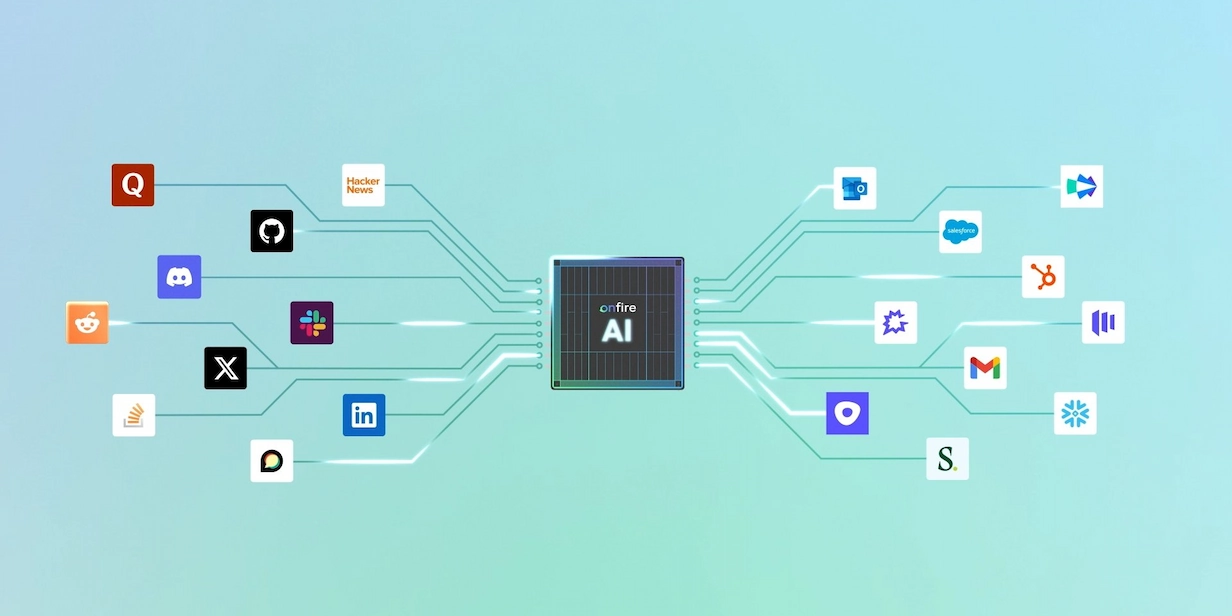
- Most sales tools weren't built for this. Selling to technical buyers requires data from the places they actually spend time - GitHub, Slack communities, Reddit, and conferences - and a product that’s built to synthesize signal from this data.
What Sales Prospecting Actually Involves
Sales prospecting is the process of identifying and reaching out to potential customers who are likely to buy what you're selling. It covers everything from figuring out who to target, to finding their contact information, to making that first touch.
When selling software infrastructure, prospecting means identifying both the engineers who will evaluate your tool (and use it every day) and the people who actually sign a contract. Getting both right is what makes technical prospecting harder than most B2B sales.
Does Prospecting Still Work in Technical Verticals?
Yes it does, and except in rare cases, it's absolutely necessary. Unless you're making the next Zoom, relying on product trials alone simply won't get you the revenue growth you need.
McKinsey reviewed 107 publicly listed B2B SaaS providers to see if PLG deserves the hype. They concluded that it mostly doesn't: only a handful of outliers significantly outperformed sales-led peers.
Instead of relying solely on PLG, leading SaaS orgs combine elements of product-led GTM motions with more traditional enterprise sales. McKinsey calls this hybrid strategy "product-led sales," and it allows companies to cost-effectively reach both engineers and business decision makers. (We've updated this model to AI-led growth in recognition of emerging revenue intelligence capabilities.)
However, while prospecting is essential in technical verticals, it's also much harder than in general B2B sales. In many B2B industries, cold calling still works well enough for SDRs to keep doing it. But can you imagine cold calling a software engineer to see if they're interested in cloud cost optimization? When you're selling software infrastructure, different rules apply.
Adapting Your Prospecting Playbook for Technical Sales
Selling to technical buyers means rethinking the standard B2B sales prospecting workflow. These are the techniques that make a difference.
Know who evaluates and who signs the check
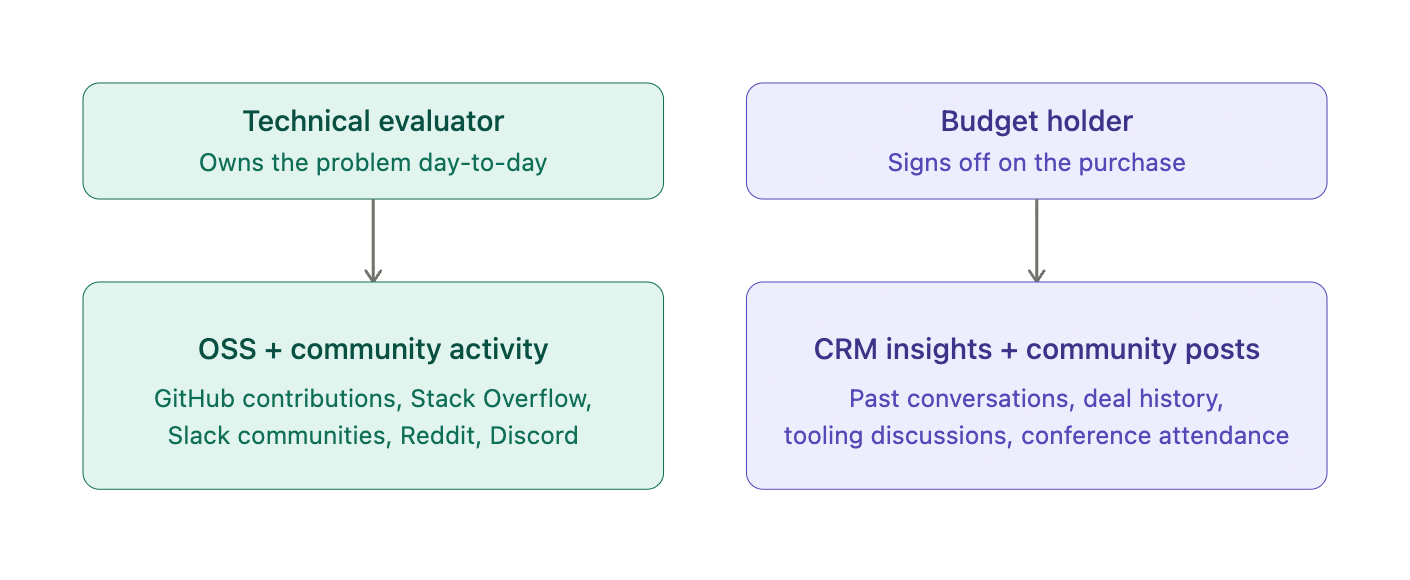
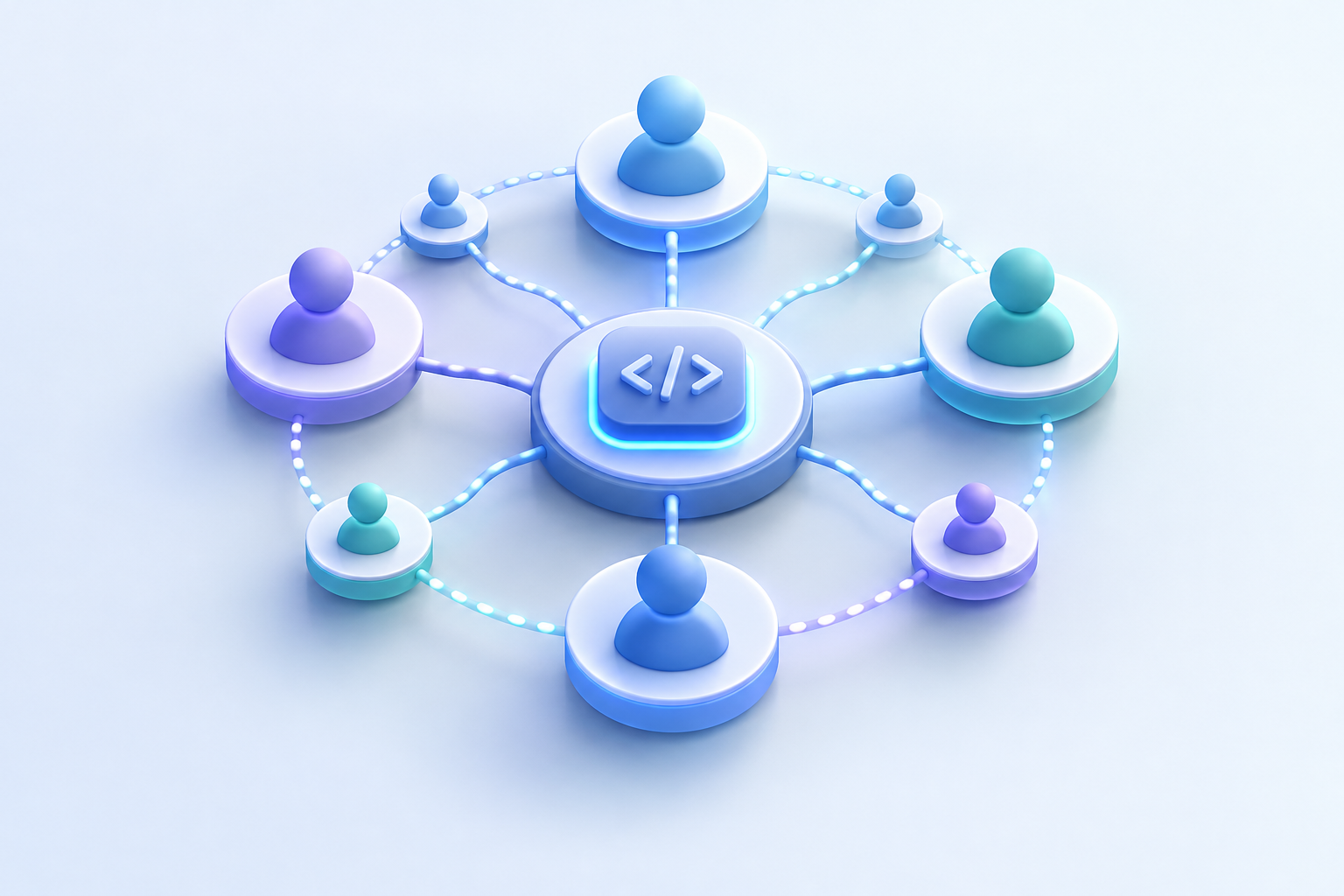
Say you're selling an API gateway. Any given enterprise will have hundreds of "software engineers" on LinkedIn, but only a handful actually deal with API infrastructure. You need to find two people: the technical evaluator who will test your product, and the budget holder who signs off on the purchase. LinkedIn job titles won't tell you which is which.
For the evaluator, look at developer-centric communities. If someone at your target account is contributing to an open-source API gateway project, asking about rate limiting patterns in a Slack community, or attending a conference session on API lifecycle management, you've likely found an active evaluator. The budget holder is trickier -- it could be a VP of Engineering, a platform engineering lead, or an infra team lead. Your best bet is often your own CRM: if a colleague has already spoken to someone at the account, you may already have intel on how purchasing decisions get made. Community signals can fill in the gaps.
Use real buying signals to build your target account list
Mapping the buying committee is one thing; knowing which accounts to prioritize is another. Rather than working from a static list of companies that match your ICP on paper, you can use intent signals -- things like job postings for relevant roles, technology adoption patterns, and community activity -- to figure out which accounts are actively in-market for what you sell. This turns prospecting from a volume game into a precision game, where you spend your time on accounts that are already showing interest.
For a deeper look at how to put this into practice, check out our guide on how to build a target account list for technical B2B sales.
Reach out with context, not a pitch
Once you've identified the right people at the right accounts, you still have to reach them in a way that doesn't turn them off. Technical folks are (in)famous for smelling BS a mile away, which means your first touch needs to deliver value -- not a product pitch. Something like:
Hey, I saw you asking about API mocking on the webdev subreddit and I think I can answer your questions. Want to chat?
That level of specificity only works if you have the right data. But if you do, it also shapes how you write everything else: emails, LinkedIn messages, pitch decks, even subject lines.
Talk about your product the way buyers do
Most sales messaging leans on vague benefits language -- "streamline your workflow," "unlock developer productivity," "accelerate your cloud journey." Technical buyers read that and immediately tune out, because it tells them nothing about what your product actually does.
Spend ten minutes reading how people discuss tools on Hacker News or in subreddits relevant to your space. You'll notice they talk about specific capabilities, tradeoffs, and limitations. They say things like "it handles mTLS between services without requiring a sidecar" or "their cold start times are brutal on Lambda." That's the vocabulary your outreach should use. Specifics signal that you understand their world; vague benefit-speak signals that you don't.
Useful Sales Prospecting Tools for Technical Verticals
The tooling landscape for sales prospecting is massive, but most of it was built for generalist B2B sales. These are the tools we've seen work well when selling to technical buyers.
Onfire: account research, buyer data, and agentic workflows
Onfire gives BDRs a complete picture of each technical buyer so they can reach out with value. That includes accurate technographics sourced from community and OSS activity (not job posts), buyer-level identification that goes beyond job titles, and intent signals from the channels where technical buyers actually spend time.
The Onfire Agent then combines your CRM data with these third-party signals to give BDRs a prioritized list of prospects every morning. This is AI sales prospecting in practice -- replacing manual research and workflow maintenance with a daily feed of who to reach out to and why.
Gamma: tailored pitch decks
Gamma uses AI to create presentations and one-pagers fast. This makes it easy for BDRs to put together an account-specific deck that highlights relevant pain points and tailors the value proposition in ten minutes, instead of an hour or more. A pitch deck that's been honed for each prospect shows that you're committed to their success.
Gong, Chorus: conversation intelligence for pre-call prep
Gong and Chorus (now part of ZoomInfo) are useful for recording calls, but for prospecting, their archive is the real value. If one of your colleagues spoke with someone at a target account six months ago, these tools will show you what was discussed and how you might be able to restart the conversation.
Loom: video prospecting
Ideally, your prospecting workflow should give you a relatively low-cost way to demonstrate that you're actually invested in helping a client solve their problem. Loom can help you do that. If you record a 60-second video of a BDR walking through a prospect's repo, architecture blog, or community question, you'll be showing them a level of effort they probably haven't seen from your competition.
Building a Complete Picture of Your Prospects With Onfire
Engineers don't respond to generic messaging, but they do engage when you reference a problem they're trying to solve right now. When your prospecting work includes that kind of context - whether in a video, a tailored deck, or a simple email - your BDRs go into conversations with a real edge.
Onfire was built to deliver the detailed buyer intelligence you need to prospect in technical verticals. Port used it to 3x response rates, and Spectro Cloud used it to automate account research and grow its pipeline by $1.65 million. See how it works.
Frequently Asked Questions
What makes sales for technical buyers different from traditional B2B sales?
Traditional B2B prospecting is a volume game - filter by title and industry, then start dialing. Engineers don't work that way. Their job titles rarely reflect what they actually own, they ignore cold outreach, and they evaluate products themselves before involving procurement. You need relevant context about their work, not a polished pitch deck.
How can sales teams personalize outreach for developers and engineers at scale?
Track the signals your buyers leave behind: open-source contributions, community discussions, conference talks, Stack Overflow activity. These tell you what someone is working on and what problems they care about. Use that context to craft outreach that references their specific situation - it takes more upfront effort per touch but converts at a dramatically higher rate.
Which channels work best when prospecting technical buyers in B2D SaaS?
Email and LinkedIn still work, but only when the message shows genuine understanding of the recipient's technical context. Developer communities (Slack groups, Discord servers, GitHub) are where you build familiarity before making a direct ask. Events and conferences are high-value when you do the legwork beforehand - arrive with meetings booked, not a stack of business cards.
How should technical proof and case studies be used in the sales process?
Lead with evidence, not promises. Engineers want to see how your product performed in an environment similar to theirs - what the architecture looked like, what tradeoffs were made, what the measurable outcome was. Case studies with specific metrics (pipeline growth percentages, time-to-opportunity improvements) carry far more weight than vague testimonials.
Can non-technical sellers successfully sell to technical buyers?
Yes, but they need to invest in understanding the buyer's world. You don't need to write code - just know enough about the problem space to ask good questions and speak credibly about how your product fits. Pair with solutions engineers for deep technical conversations, and spend time in the communities where your buyers hang out. Curiosity beats credentials.
.webp)








%20(1).webp)









































.webp)