AI Sales Prospecting for Technical Buyers: A How-To Guide
How AI is changing the role of the BDR - and how to use it in modern prospecting



Picture a BDR at a cloud security company on a Monday morning. Her territory holds 400 enterprise accounts. Somewhere in that list, a handful of platform engineering teams are actively comparing CNAPP vendors right now. The rest won't be in market for at least another year. Her job, in theory, is simple: find the few without going through the whole list manually.
In reality, she has no reliable way to do that. So she “smiles and dials,” working the list top to bottom and hoping to get lucky. With few exceptions, this prospecting model has been in place for years.
AI sales prospecting offers a way out, but only if you use it for the right jobs. In this article, we'll walk through what those jobs are, the types of AI prospecting tools available, and what the BDR role looks like once the busywork is gone.
Key Takeaways:
- High-volume prospecting is losing effectiveness, especially with technical buyers who tune out generic outreach and block the channels it travels on.
- The highest-ROI uses of AI in prospecting are list building, account scoring, prioritization, and research.
- AI prospecting tools fall into three broad categories: complete platforms, workflow builders, and AI SDRs. Each is suited to different teams and motions.
- As AI absorbs the manual research work, the BDR role shifts toward strategy, judgment, and relationship building.
The Evolving Role of the BDR in Technical Sales
For years, the BDR playbook was a numbers game. Pull a list, load a sequence, smile and dial. If 200 touches produced two meetings, the way to grow the pipeline was to make 400 touches.
That calculation rests on assumptions that no longer hold true, and for technical buyers, they probably never did. Engineers and security leaders have always ignored LinkedIn messages on principle, and they were never fond of cold outreach. Now they have better tools to avoid it, like aggressive spam filters and phone settings that send unknown callers straight to voicemail.
Meanwhile, AI has dropped the cost of sending "personalized" email to zero, which means every inbox is flooded with messaging that looks superficially relevant but doesn’t stand out.
The BDRs who still book meetings in this environment work differently. They prioritize ruthlessly, focusing on high-potential accounts rather than spreading their attention evenly across a territory. They know who they're talking to — not just the job title, but the person's actual role in a technology decision. And they reach out with something specific enough to earn a reply from a skeptical engineer.
However, doing all of that manually takes hours per account, which is where AI comes in.
The Role of AI in Modern Sales Prospecting
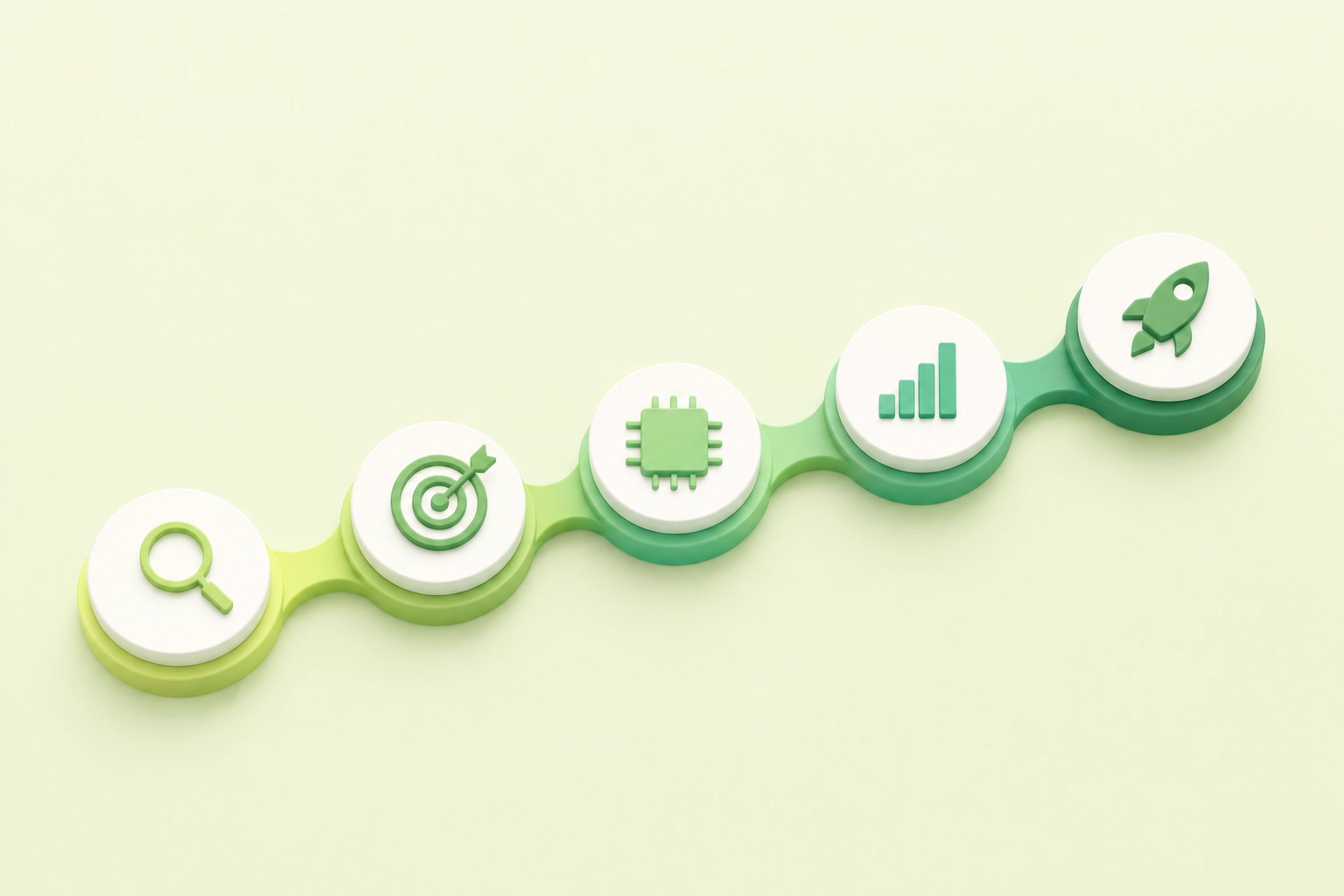
AI sales prospecting is about more than writing emails. In fact, three important steps come before you should even be thinking about outreach:

List building
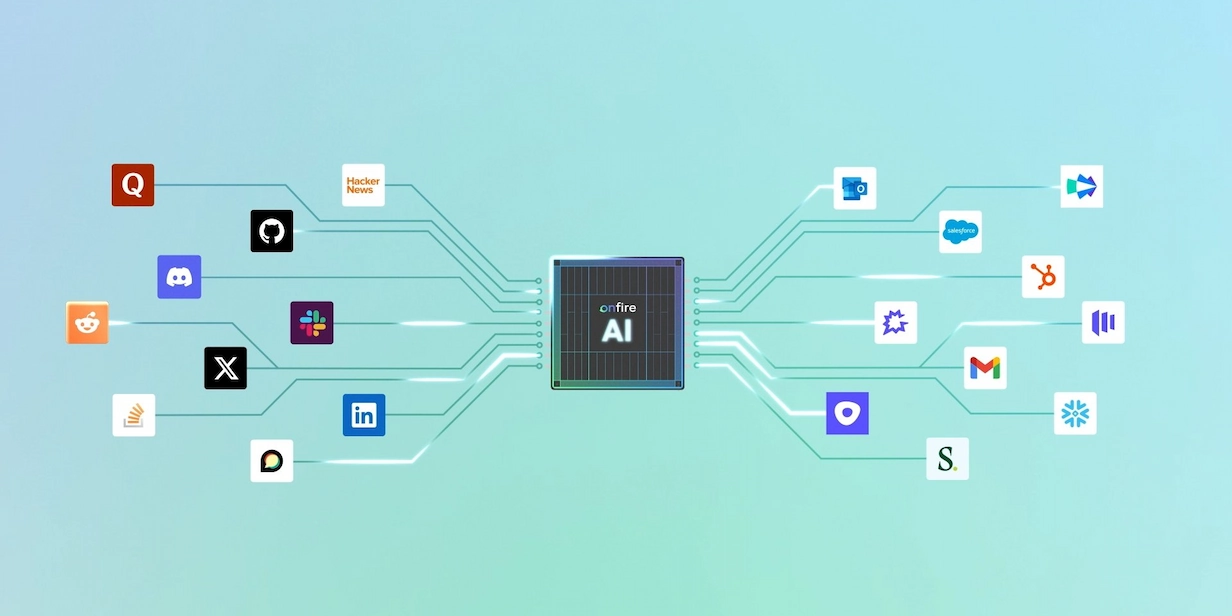
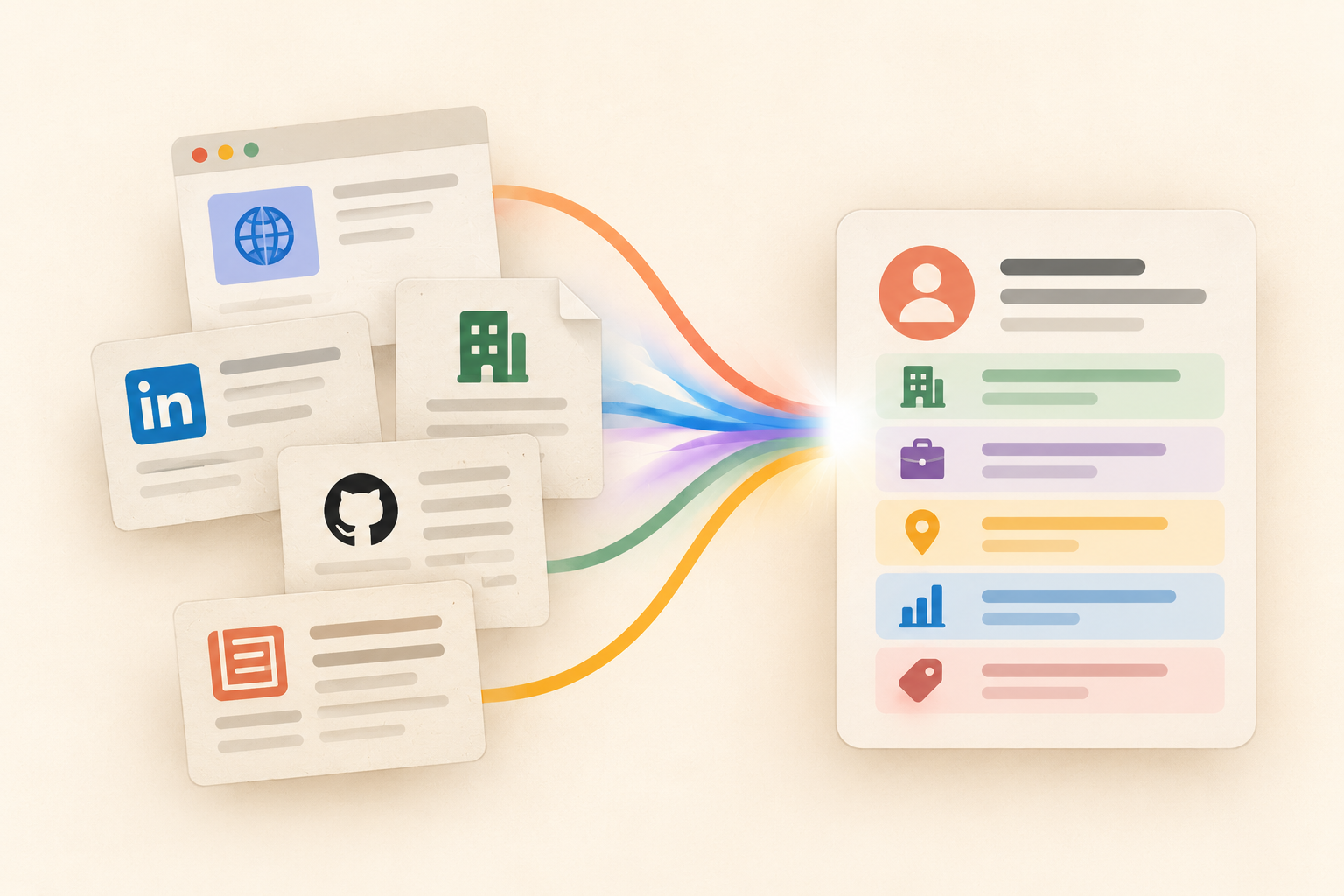
Building an accurate account and prospect list is the foundation of everything downstream, and it's where generic data falls apart for technical sellers. AI changes the inputs: instead of inferring a tech stack from hiring keywords, it can correlate OSS contributions, community discussions, and product adoption to determine what an account actually runs in production (technographics), and which individuals work with it.
Account scoring
Not every ICP-fit account deserves equal attention. AI scoring models weigh fit factors (size, industry, stack) against engagement evidence to rank accounts by likelihood to convert, so reps spend their time where it counts. The scoring should be grounded in evidence you can inspect: every score links back to the specific signals behind it, whether that's a spike in community activity or a relevant GitHub contribution.
Prioritization
Scoring tells you which accounts matter, but that’s not enough. To allocate their time effectively, your reps need to know which accounts matter today. This is where buying signals help. If you find a staff engineer asking a Slack community for alternatives to their current observability vendor, you know they’re in market.
Research
Running manual workflows, reps spend most of their day trying to combine data in your CRM with their account scoring and prioritization systems so they know what tech each account is running, what they’ve said in the past, and which people to contact. But AI can do all of these things automatically so reps get full context as soon as they login to their CRM.
Personalization and outreach
AI can (and should) help write the message too. However, it will only result in more engagement if it conveys real substance. "I saw you're hiring SREs" is a template; "I saw your team is evaluating OpenTelemetry collectors and hitting cardinality issues" is a conversation starter, assuming it's true.
Types of AI Prospecting Tools
The market sorts roughly into three categories, and they solve different problems. Plenty of teams run more than one, but it pays to understand what each can and can't do.
Complete AI prospecting platforms
A sales intelligence platform in this category handles the full chain described above: data collection, scoring, prioritization, research, and workflow integration, in one product. All-in-one platforms own their data layer rather than depending on whatever you feed into them.
Onfire is built as exactly this kind of platform, with a vertical focus on software infrastructure. Each customer gets a workflow tailored to their ICP and GTM motion, and BDRs receive prioritized, evidence-backed prospect lists inside the tools they already use. There's nothing to configure day to day, so reps stick to selling.
AI workflow builders
A second category lets RevOps teams compose their own automations: enrich a record here, run an LLM research step there, push the result into a sequence. These tools are flexible and powerful in the hands of a technically inclined operator.
Two caveats. First, they're DIY by design, which means someone has to build and maintain the workflows, and that someone is rarely a BDR. Second, they don't generate data; they orchestrate it. If the inputs are stale technographics and title-based contact lists, the automation won’t give you insight.
AI SDRs
The third category aims to replace outreach altogether: an AI BDR that autonomously sends sequences, handles replies, and books meetings. For high-volume, transactional motions, this can clear a lot of repetitive work.
For technical buyers, the model is shakier. These tools tend to inherit the same shallow data foundation as their predecessors, and the audience on the receiving end is precisely the one most allergic to automated outreach. An AI BDR that confidently emails the wrong engineer about the wrong problem doesn't save headcount; it burns your addressable market.
The Role of Human BDRs in an AI-Driven World
You may be wondering, “If AI handles list building, scoring, research, and even drafting, what's left for the human?”
Quite a lot, as it turns out. The work AI absorbs is the work that humans used to have to do if they want to sell: copying data between tabs, reading job posts, guessing at org charts, and scouring LinkedIn. What remains is the part that actually moves deals. It’s your reps that will decide which plays to run, how to interpret a prospect's response, and what approach they should take to build the trust that gets a champion to introduce you to their VP. None of that automates well, and as buyers grow numb to machine-generated touches, it is becoming even more valuable.
The BDR role is becoming more strategic as a result. Instead of executing a fixed sequence, reps orchestrate AI tools, validate their outputs, and spend the hours they save on the conversations that matter.
For example, Spectro Cloud's SDRs start each morning by reviewing fresh intent signals and deciding who's worth contacting, a workflow that cut their time to book qualified opportunities by 30% and generated over $1.65M in new pipeline. The humans didn't get replaced. In a sense, they got promoted from data clerks to sellers.
Put AI Prospecting to Work for Your Reps
The teams winning with AI sales prospecting aren't the ones sending the most messages. They're the ones who use AI to figure out which accounts to pursue, who to talk to, and when to act.
If you sell to technical buyers, we can show you what that looks like with your ICP. Book a demo and bring your toughest target accounts so we can show you the deals you're currently missing.
FAQs
Is AI prospecting just automation, or does it actually improve targeting?
Both, but the targeting gains matter more. Automation removes manual steps from your outreach process, but AI prospecting changes what that process can see. By correlating signals like OSS activity, community discussions, and first-party data, it identifies accounts and buyers that title-based filtering misses entirely.
How do you know if your ICP is defined well enough to use AI prospecting effectively?
Can you describe your buyer by what they do, rather than what their title says? "The engineering lead responsible for CI/CD" is workable; "VP of Engineering at mid-market SaaS companies" is too coarse. If your ICP is still title-based, that's fine as a starting point. A good platform onboarding will sharpen it into personas the AI can actually find.
How long does it take to see results from an AI-assisted prospecting workflow?
Shorter than most teams expect, so long as the data layer is solid. Onfire customers typically complete setup in days rather than months, and reps start working signal-prioritized lists immediately. Pipeline impact follows within a quarter or two. Long ramp times can usually be attributed to a configuration-heavy tool, not an AI problem.
Can AI prospecting work for small BDR teams without dedicated ops support?
Yes, but tool choice matters. Workflow builders assume someone will construct and maintain the automations, which small teams rarely have capacity for. A complete platform that delivers prioritized prospects into your existing CRM works without an ops layer, so reps just act on what they see each morning. If a tool requires hours of weekly tuning, a two-person team will quickly stop using it.
.webp)






%20(1).webp)



























.webp)