Why Every CRM Is Going Headless, and What It Means for RevOps
Salesforce, HubSpot, and Microsoft all went headless in 2026. Here is why CRM work is moving to agents, and how RevOps teams design around it.
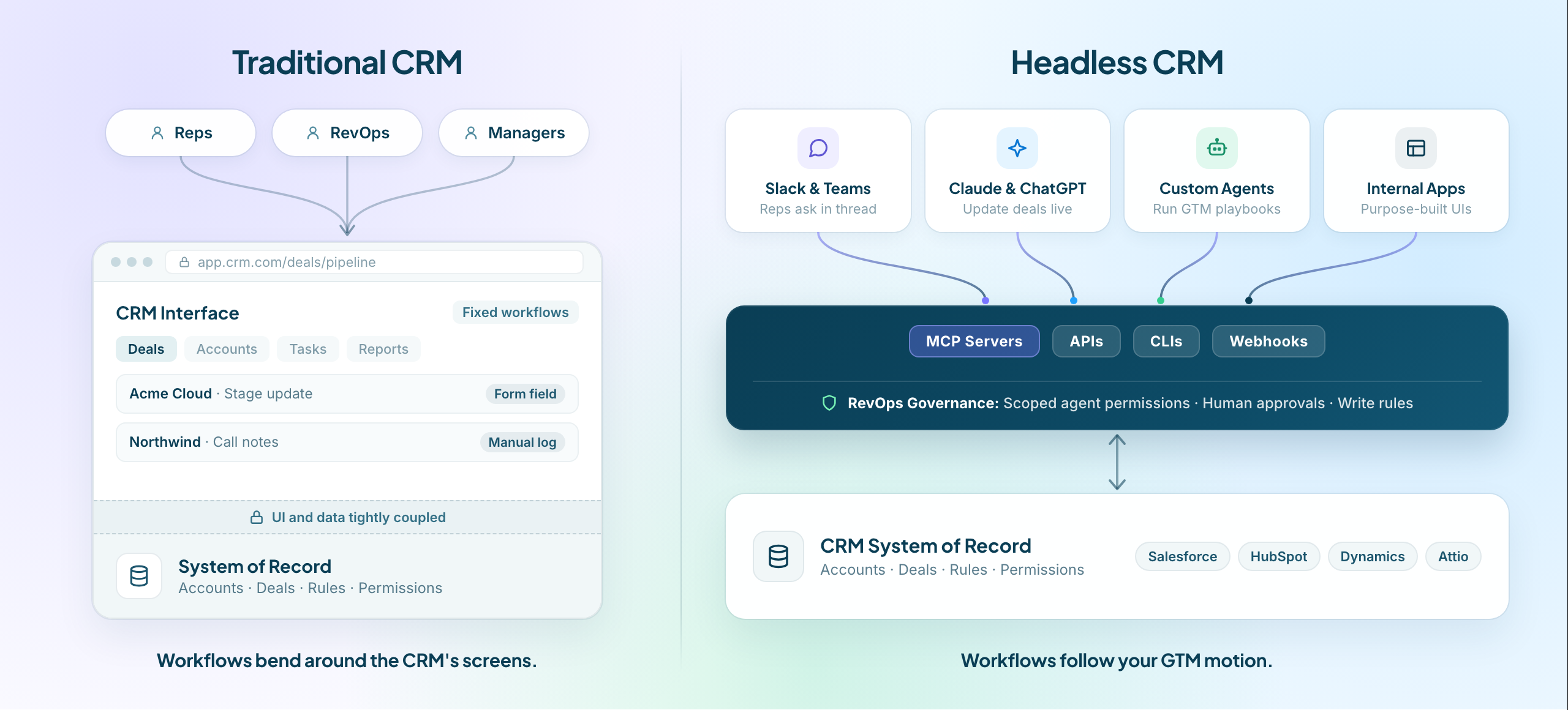


For twenty years, working in a CRM meant opening a browser tab and clicking through screens. In 2026 that stopped being the only way in. Salesforce, HubSpot, and Microsoft opened their CRMs so AI agents can read and update records, and a new crop of CRMs was built that way from the start. For RevOps, that's a bigger shift than it sounds: the CRM no longer dictates how your team works, and you get to decide instead.
Key Takeaways
- Every major CRM is opening up. New CRMs are built headless from day one, and Salesforce, HubSpot, Microsoft, and the mid-market vendors have all shipped agent access.
- The user changed. More and more CRM work happens in Slack, Claude, and ChatGPT, done by agents on a rep's behalf.
- RevOps becomes the architect. You design workflows around how your team sells, and you own the agent experience, permissions, write rules, and the context the CRM doesn't have.
- It's already happening. SaaStr, Vercel, and plenty of HubSpot users work this way today.
- You don't have to build it alone. Onfire is an AI GTM platform that brings the data, tailors workflows to how your team sells, has forward-deployed engineers build and run them in your CRM and agents, and keeps tuning them based on results.
What Is a Headless CRM?
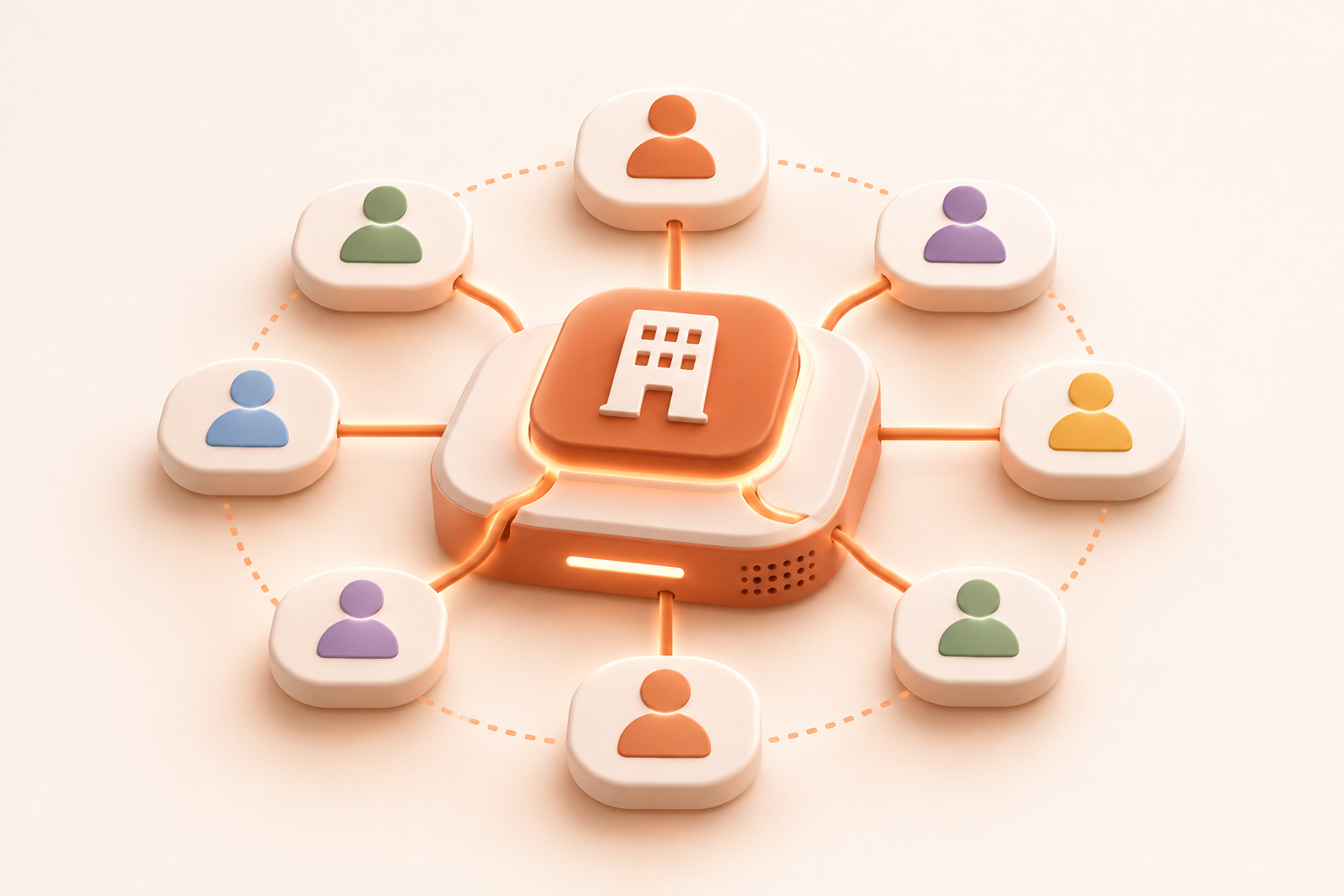
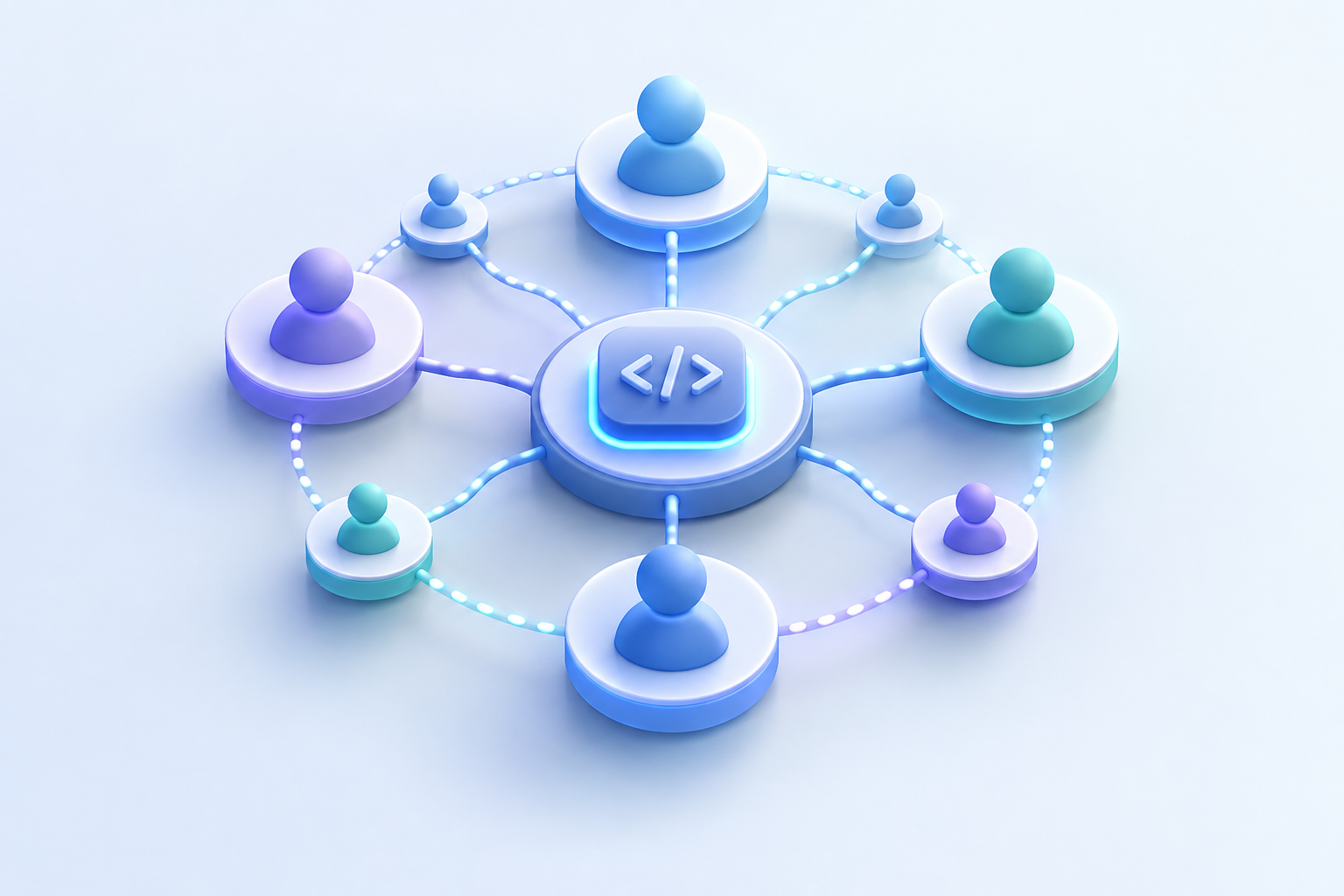
A headless CRM keeps the data and the rules (accounts, deals, validation, permissions) and lets you work with them from somewhere else. That might be Slack, Claude, ChatGPT, or an agent your team built. They connect through an API, an MCP server, or a CLI, so nobody has to open the CRM to log a call or move a deal forward.
Feel Like Every CRM Is Going Headless? You're Not Wrong.
2026 was the year the CRM went headless, from new CRMs built for agents to Salesforce, HubSpot, and Microsoft opening their platforms.
A new generation of CRMs started headless. Lightfield, Standards, and Lumo were designed for agents first. Every record is reachable through an API or MCP, and the app is one way in among several.
The incumbents followed. In April, two days apart, HubSpot made its MCP server generally available and Salesforce launched Headless 360, which lets agents use its whole platform without a browser. Microsoft started pitching Dynamics 365 the same way in June, and by November HubSpot had published a post titled, simply, "HubSpot is headless."
In the broader CRM landscape, agent access is table stakes. Pipedrive, Zoho, Attio, and Close all ship official MCP servers that let agents write to the CRM as well as read it. (We cover some of these in our best MCP tools for sales teams guide.)
Why It's Happening
Three things pushed the vendors here.
- The user changed. CRMs were designed for a rep clicking through screens. Now a lot of that clicking is done by agents, from wherever the rep already works. In November, HubSpot told investors that customers created more than 22 million CRM records through its ChatGPT and Claude connectors in a single quarter, up 157% on the quarter before.
- Buyers keep the tools their agents can use. Once a team runs its own agents, a CRM those agents can't reach becomes the thing slowing everyone down, and the first tool questioned at renewal.
- The value moved from the screen to the data. Seat pricing assumes a person opening the CRM every day. When agents do that work, what customers pay for is the data and the actions behind the screen, so pricing has started to shift. Salesforce has already added a charge for agent access to its price list, though it hasn't set the price yet.
The Role of RevOps in a Headless CRM World
RevOps has always configured the CRM: pipeline stages, routing rules, automations. But it did that inside the CRM's own model of how selling works, with its objects, its screens, and its workflow builder, and reps had to come to those screens to get anything done. Sales processes were built around what the tool could do.
Going headless removes both limits. Reps can work from Slack, Claude, or an agent your team built, and a process is no longer capped by what the workflow builder can express. The CRM keeps the data and the rules, and you design everything else around how your team sells. That's a lot more power, and a bigger job: you're now designing how people, agents, and data fit together, which takes context about the whole business.
Four new responsibilities RevOps takes on:
How people work with agents
Someone has to decide where reps ask questions (Slack, Claude, an internal app), which updates an agent makes on its own, and which ones wait for a person. A forecast change or an email to a customer probably needs a human to say yes. Logging a call probably doesn't.
Security and agent permissions
An agent that can update records can also make a mess at scale. The vendors are building guardrails you can use: Close separates safe writes from destructive ones, Attio asks before an agent writes, and folk won't let agents delete records at all. Your job is deciding which agent gets which level of access, and who signs off.
Rules for what comes back into the CRM
Once GTM engineers and reps start building their own agents, the CRM fills up with whatever those agents write, unless someone sets the rules. RevOps owns the schema and the standards. Everyone else can build what they like on top, as long as what their agents write back meets them.
Context the CRM doesn't hold
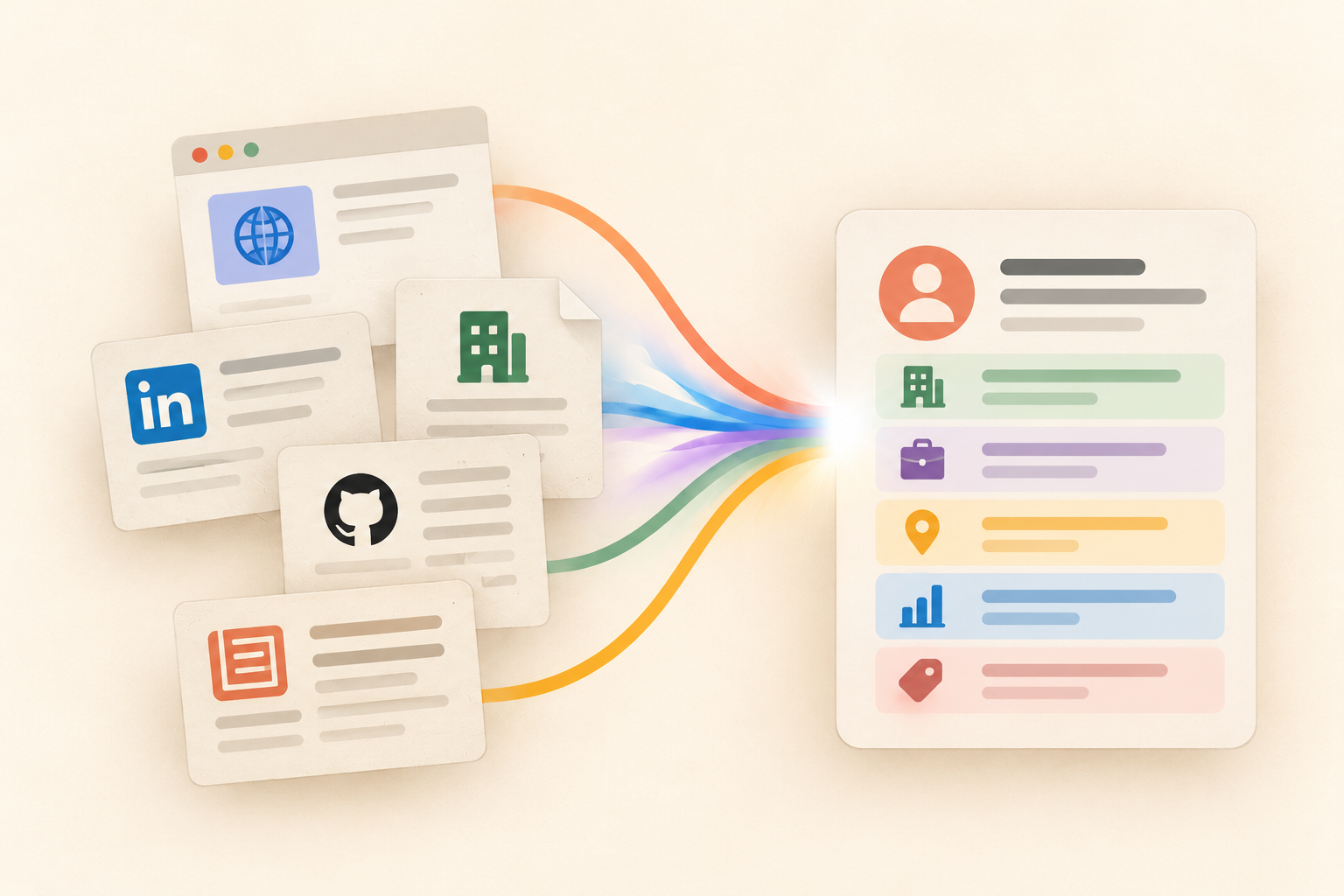
Connect an agent to your CRM and it gets your deal history, duplicates and stale contacts included. It knows nothing about the accounts you've never worked. If you sell to technical buyers, this matters a lot: an account's stack, its teams, and who owns the decision usually live outside the CRM, so your agents need that context from somewhere else.
It's a bigger job than wiring automations, and a far more interesting one. For the first time, the CRM can run the way your team sells.
What Going Headless Looks Like
A few companies have written or spoken publicly about working this way. Here are the setups we found, from a fully agent-run team to a rep in a chat window.
- SaaStr runs on custom agents. SaaStr has 3 people and more than 20 agents. Its AI VP of Revenue, an agent called 10K, reads and writes the CRM through MCP and the API, and the humans talk to 10K. As Jason Lemkin put it: "We will never log into B2B software again. Our agents will, and we'll talk to our agents."
- Vercel keeps reps in Slack. Vercel built a sales agent on Gong's API and Salesforce webhooks. A rep tags it in Slack with a question, and it searches Slack, pulls Gong transcripts, and queries Vercel's data agent before posting the answer in the thread. The same agent proposes CRM updates from every sales call. The rep never leaves Slack, and the agent has no UI at all (SaaStr has the full breakdown).
- Reps update HubSpot from Claude. With HubSpot's MCP server, a rep in Claude or ChatGPT can check an account's history and update contacts, deals, and activities without opening HubSpot. If you want to build something similar, here's how to build an AI prospecting agent.
How Onfire can help
You don't have to build all of it alone. Onfire is an AI GTM platform that does this work with you: it brings the data, tailors the workflows to how your team sells, and puts forward-deployed engineers on building and running them inside your CRM and your agents. Then it keeps tuning them based on the results they produce.
Want to see what your agents can do with the full picture? Book a demo with Onfire to see the accounts and people your team is missing.
FAQs
What's the difference between a headless CRM and an MCP server?
An MCP server lets assistants like Claude or ChatGPT connect to an app and use its tools. A headless CRM is the bigger idea: its data, rules, workflows, and permissions are all available through APIs, MCP servers, and CLIs, so your team and its agents can run sales processes without the web app.
Who owns agent permissions in a headless CRM?
RevOps, working with security and IT. Agents can create or overwrite records at scale, so RevOps sets who can read and who can write, which actions need approval, and what checks a write has to pass before it lands in the CRM.
Are headless CRMs just a fad?
Unlikely. The label may change, but agents are already doing the daily lookups and updates, and that work isn't moving back into a browser tab.